All works

Fleet OS — Fueling Agile Solutions
Building the Fueling Agile fleet fueling management platform and Design Infrastructure
Owolabi Joshua

Important links

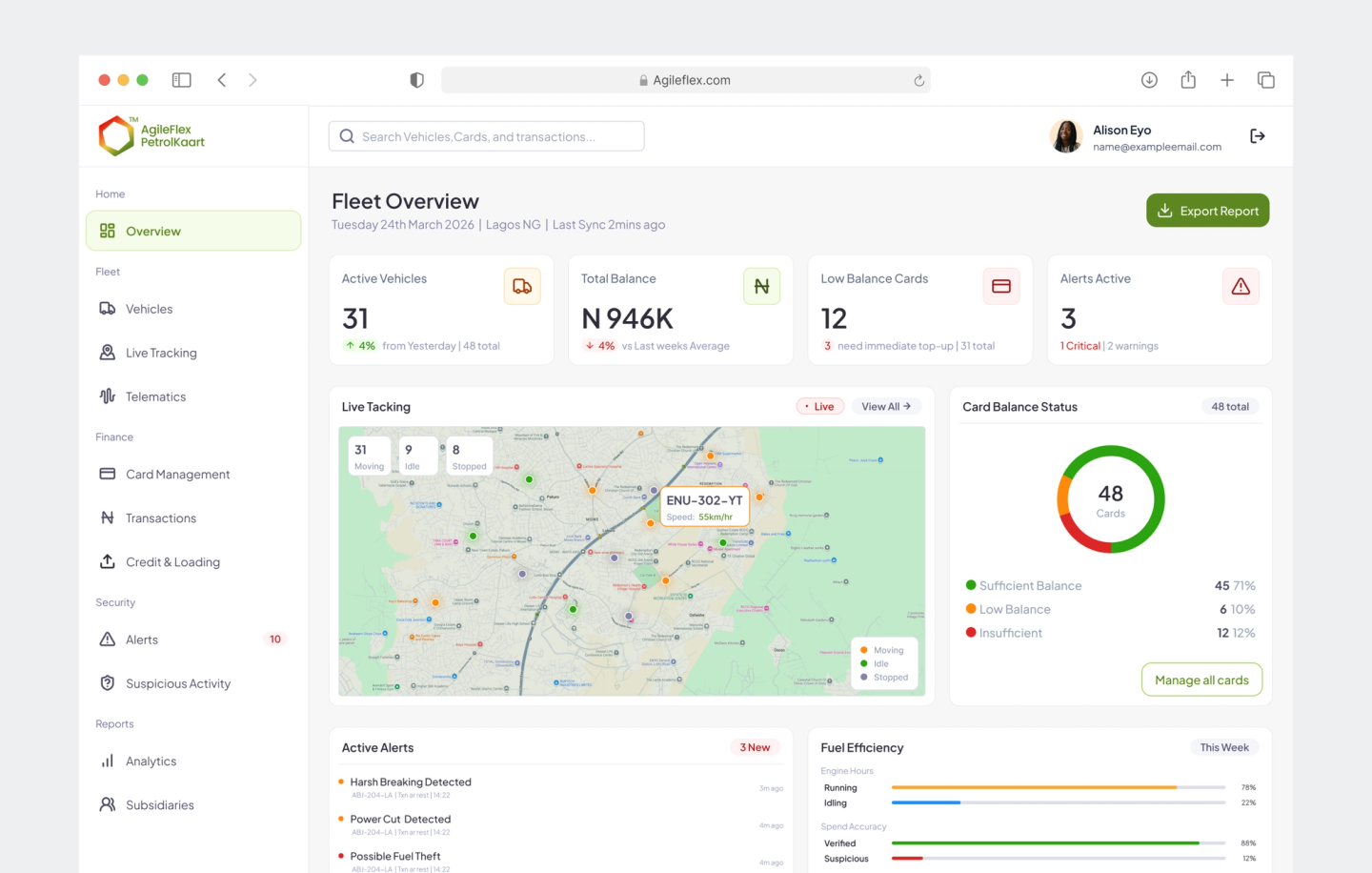
When Fueling Agile set out to build its platform, the main goal was simple: stop the headache of how businesses with large vehicle fleets track, control, and audit their fuel money. Instead of a basic tracking tool, the platform is built around a prepaid Fuel Card management system that gives companies a clear window into every drop of fuel their team buys.
Managing fuel costs for a large fleet in Nigeria is tough. Fleet managers often struggle with not knowing where money is going, losing track of paper receipts, worrying about dishonest spending, and dealing with unexpected price changes that wreck monthly budgets.
Fueling Agile wanted to fix all of this by giving businesses total, easy control over their mobile team's expenses. Importantly, Fueling Agile doesn’t handle money internally; instead, the business partners with a trusted Nigerian bank to handle all underlying finances, allowing the software platform to focus entirely on managing card logic, transaction monitoring, and the daily logistical hurdles that businesses face.
The Challenge
Running vehicle operations and keeping track of money on the road comes with major hurdles:
- •Blind Spots in Spending: Companies with big fleets had zero real-time visibility into how and where drivers were spending money on fuel.
- •Risk of Fraud: Without tight controls, handing out cash or unmonitored cards led to inflated claims and unauthorized purchases.
- •Hard-to-Manage Budgets: It was difficult for managers to set proper spending limits for specific vehicles, routes, or drivers.
- •Piles of Receipts: Sorting through messy paper receipts and scattered transaction records made monthly accounting a massive chore.
- •Stuck on the Road: Drivers needed a reliable, widely accepted way to pay that wouldn't leave them stranded due to slow bank transfers.
The Design & Brand Journey
When starting out on the product side, I experimented with a few different approaches to figure out the right visual language. Instead of building every single component from scratch, I ended up using a robust open-source design system kit in Figma as a foundation, and then heavily customized the majority of the components to fit the distinct, professional style required for a fintech-backed fleet platform.
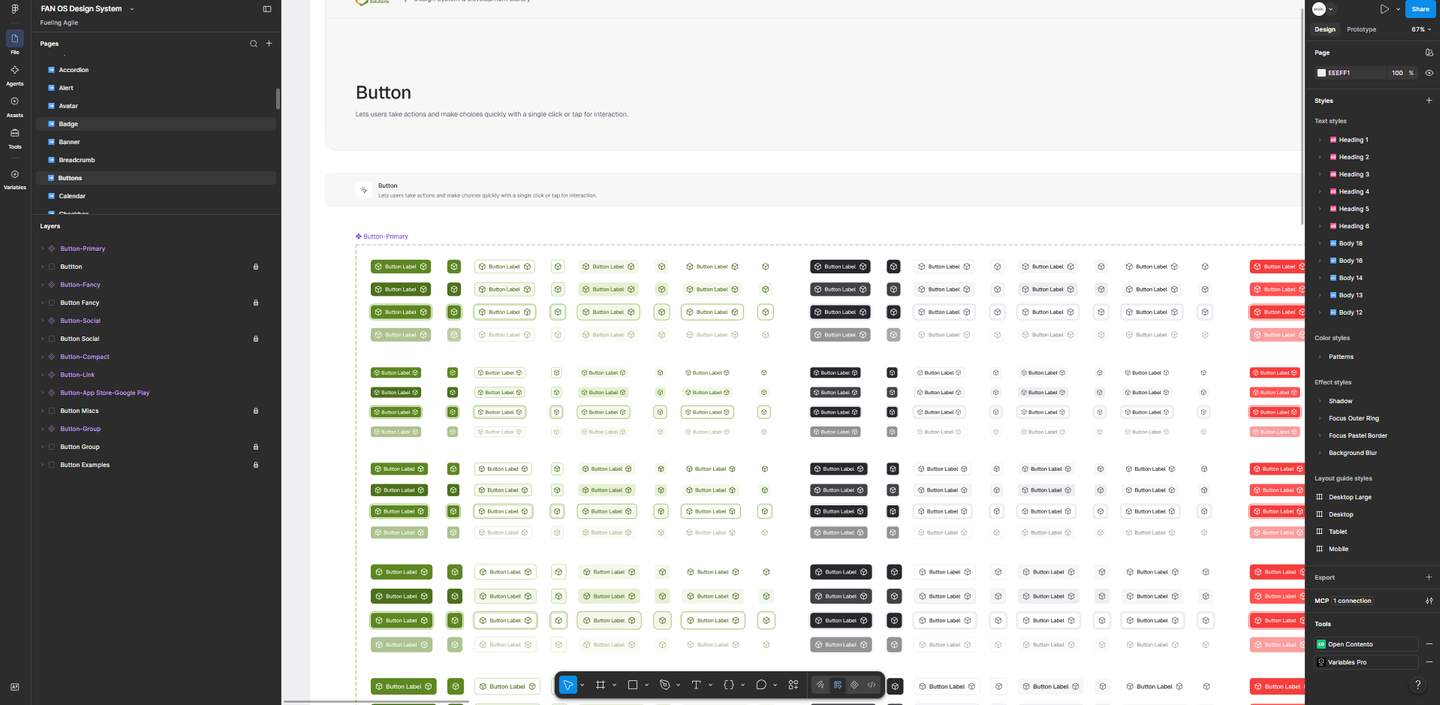
While this allowed us to move fast, it also came with a few hurdles. Early on, we ran into typical engineering handoff friction—managing component inconsistencies and making sure custom design states matched what was being coded. Going through those challenges taught me valuable lessons on token structuring and component alignment, which I’ve since mastered to make handoffs seamless on every product I work on now.
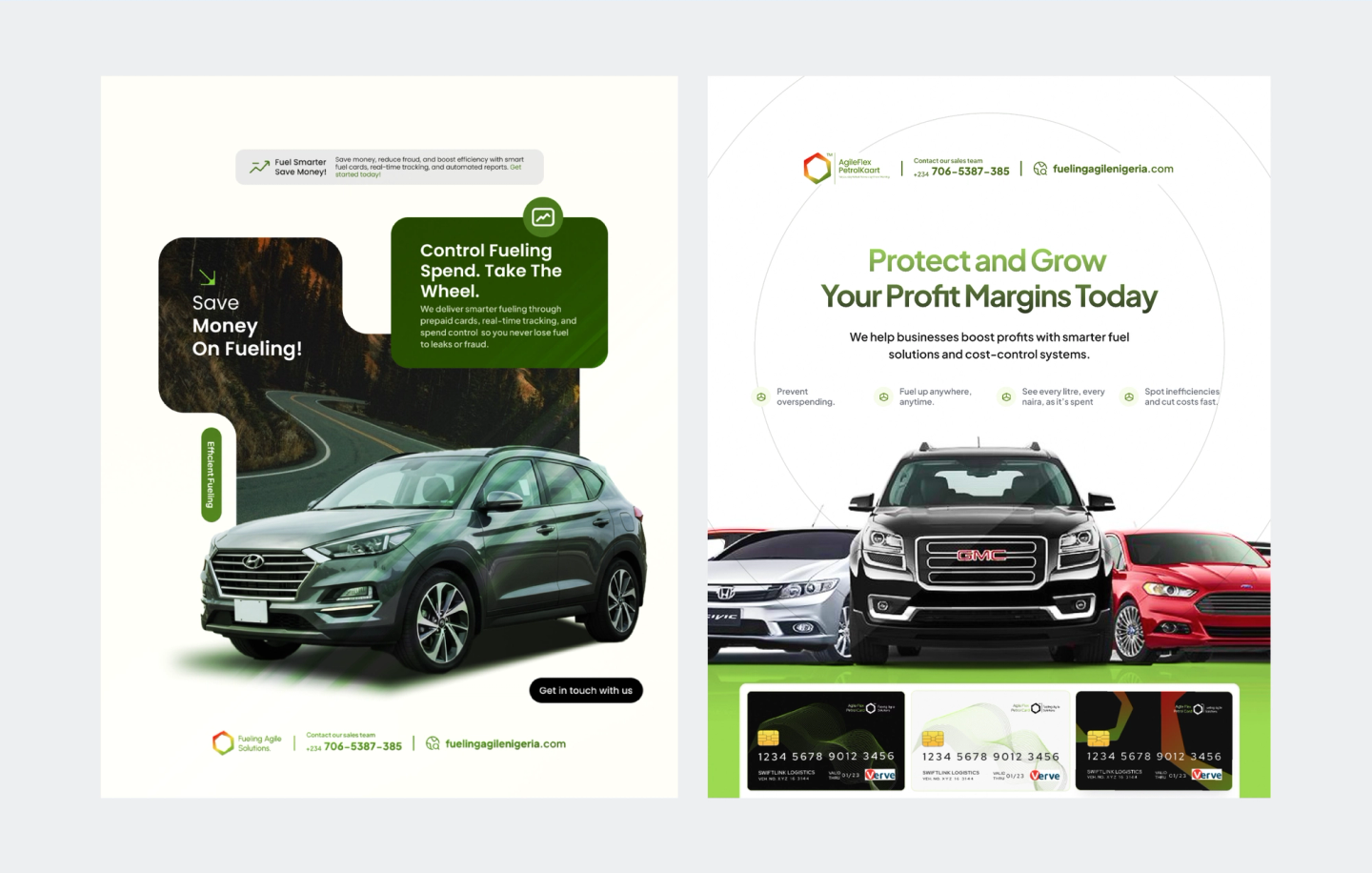
Beyond the product UI, I also took charge of shaping the company's social media direction. Crafting the right visual and messaging narrative was vital to properly positioning Fueling Agile in the market—shifting public perception away from just a generic app and cementing it as an essential, high-trust operational engine for modern logistics.
Research & Insights
To design the right experience, the platform was shaped by looking at how other popular products work:
- •Corporate Expense Apps: Looked at how tools like Ramp or Brex make it easy for bosses to hand out company cards, set limits, and get instant alerts.
- •Fleet Tracking Dashboards: Studied how to display lots of vehicle data cleanly without overwhelming the user.
- •Fintech Ledger Systems: Learned the best ways to organize transaction histories so nothing gets lost.
These insights helped make sure the Fueling Agile platform stayed fast, secure, and frustration-free for busy company managers.
The Solution
The entire platform is built around the Fuel Card prepaid system. Here is a breakdown of how the core features work:
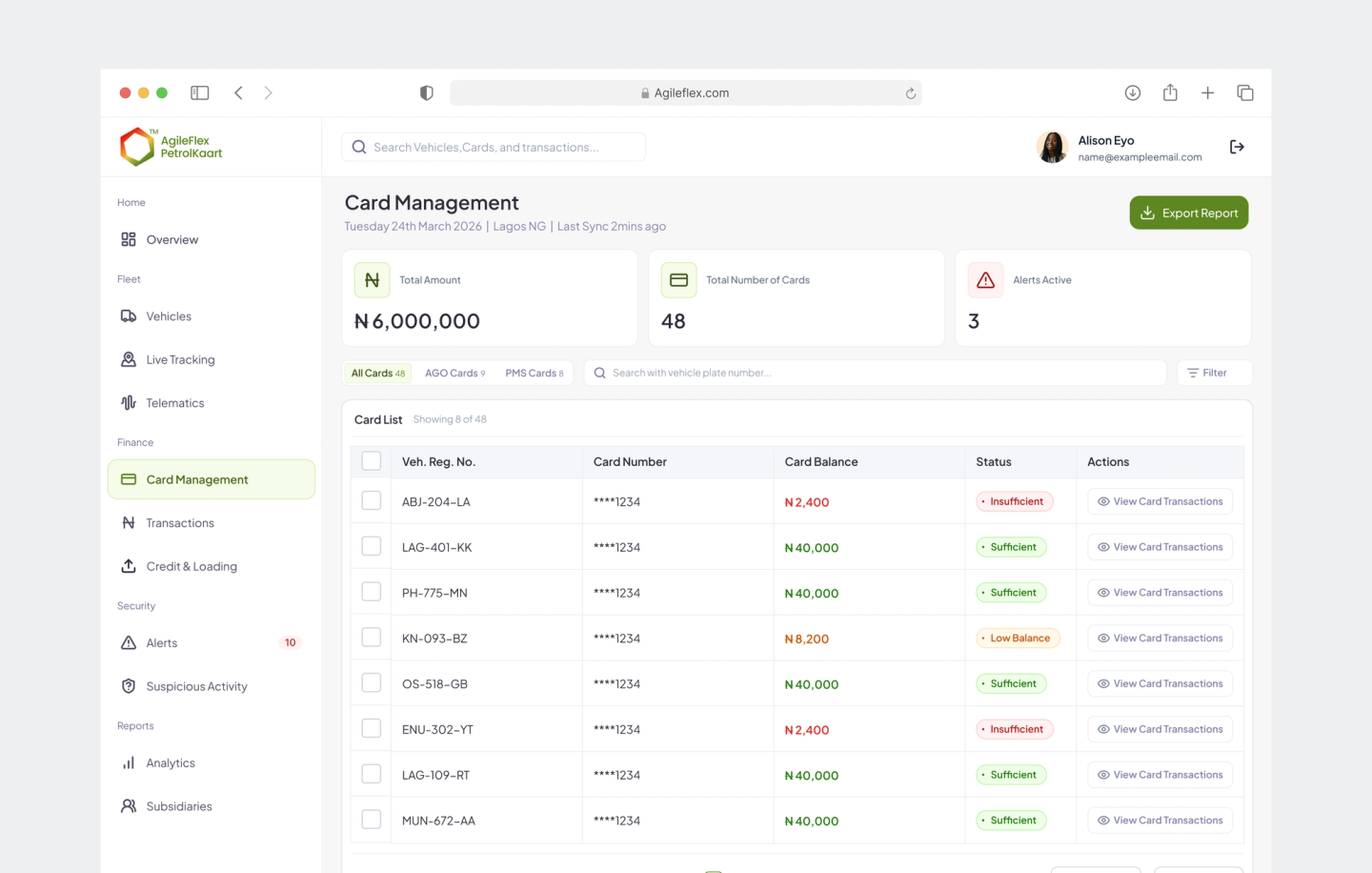
1. Prepaid Fuel Cards & Spending Rules
- •Custom Vehicle Limits: Managers can issue cards tied to specific vehicles or drivers and set strict daily spending caps.
- •Smart Restrictions: Cards can be locked to specific fuel types or approved vendors to stop unauthorized spending completely.
- •Instant Top-Ups & Freezing: Managers can fund cards instantly or freeze a card with one click if something looks wrong.
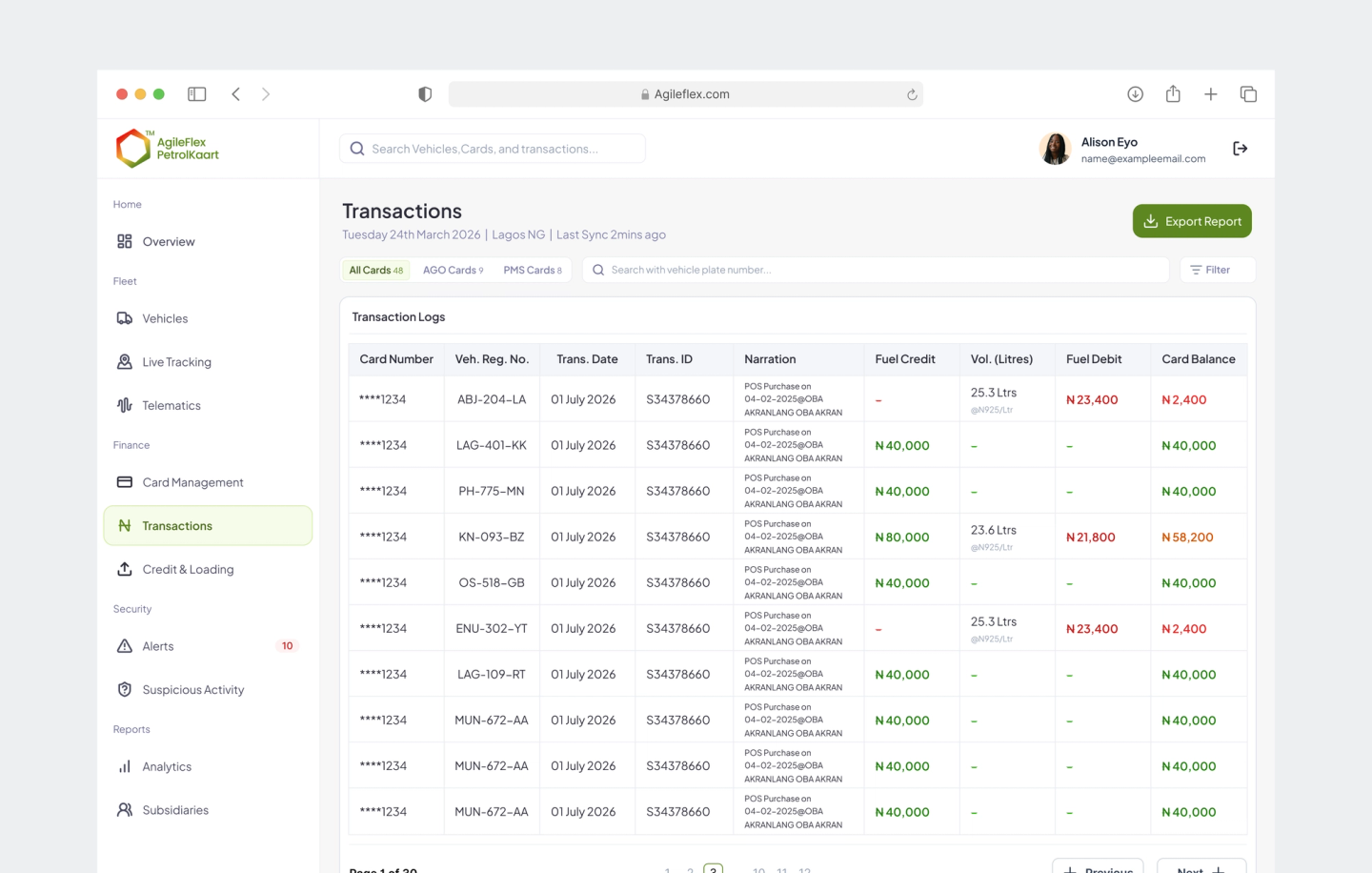
2. Live Transaction Monitoring & Logs
- •Instant Updates: Every time a driver pays at a station, managers immediately see the time, location, amount spent, and fuel volume purchased.
- •Clear Records: All historical fueling data for the entire fleet is neatly organized in one place, making accounting effortless.
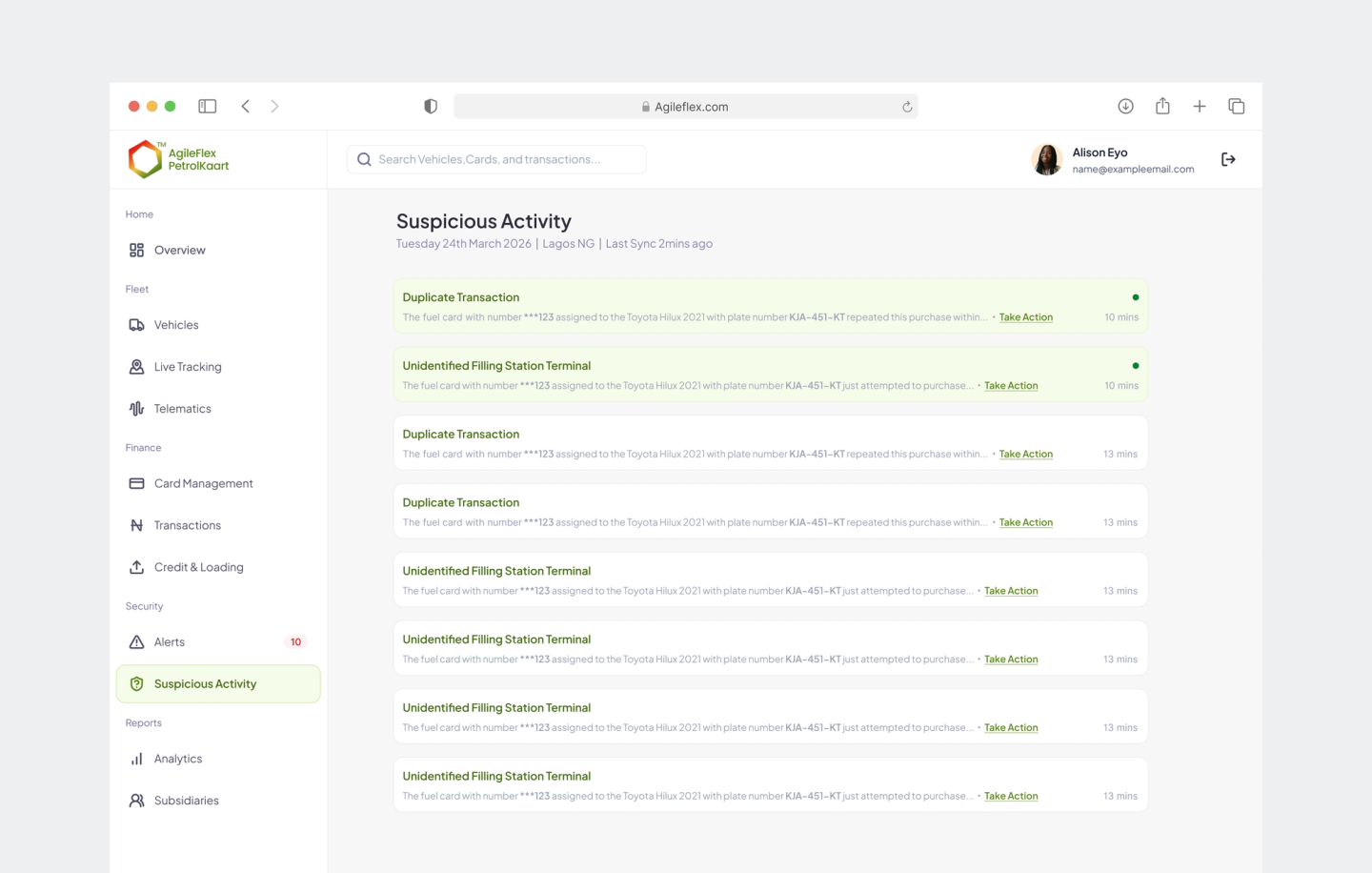
3. Suspicious Transaction Alerts
- •Fraud Detection: The system automatically flags weird spending patterns—such as a purchase happening at an odd hour or in the wrong location—so managers can catch issues early.
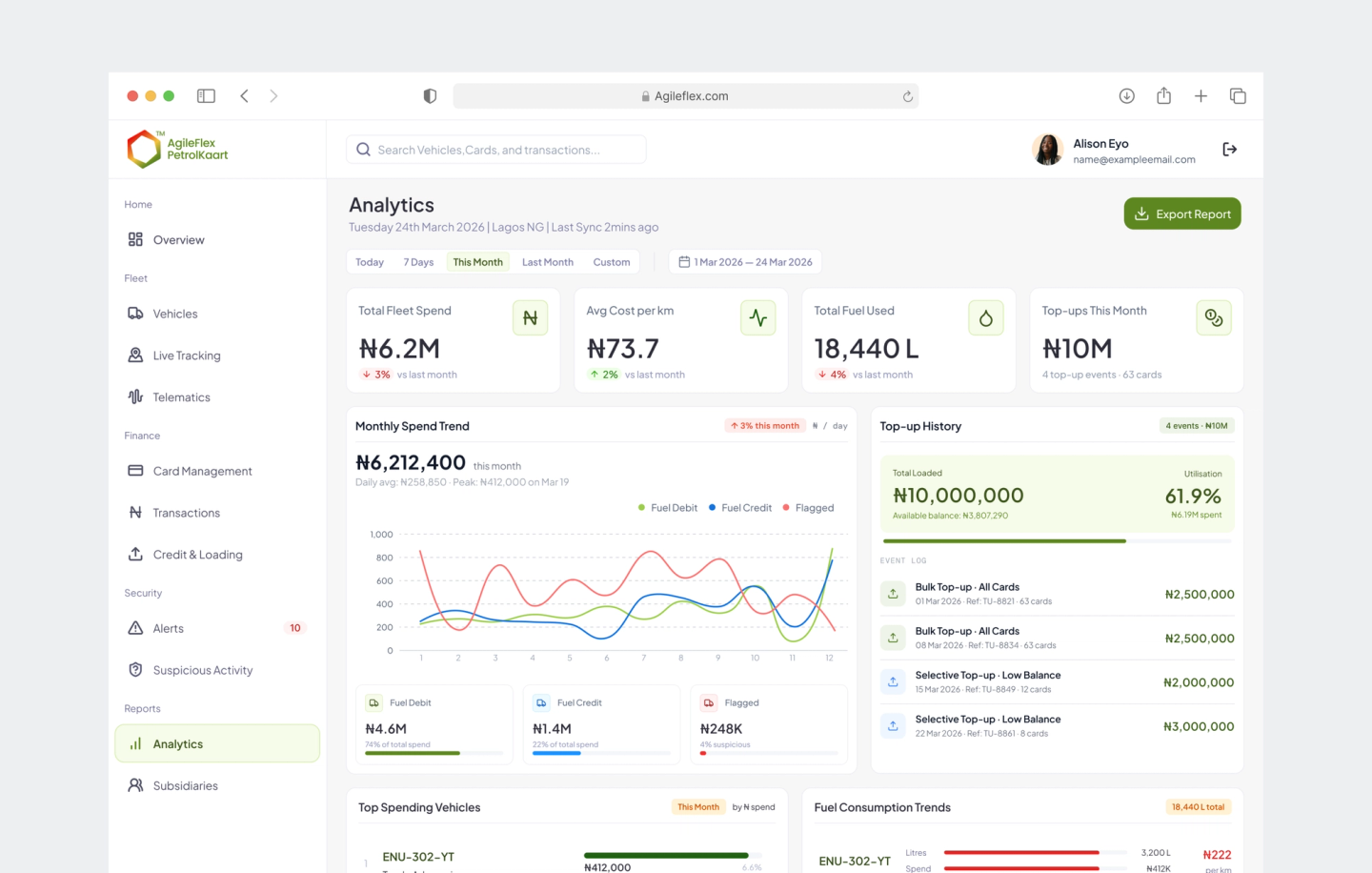
4. Analytics & Reports
- •Cost Insights: Easy-to-read charts show fuel consumption trends and departmental spending over weeks and months.
- •Team Roles: Admins can give different access levels to finance officers, senior bosses, and fleet managers depending on what they need to see.
Learnings & Takeaways
- •Platform vs. Infrastructure Synergy: Partnering with a bank for financial handling while building a specialized software layer allows the product to focus deeply on solving core logistical and operational workflows.
- •Control Builds Confidence: Business clients need absolute peace of mind that their money is safe. Giving managers quick toggle controls (like freezing cards or setting strict limits) is a game-changer for getting them to use the product.
- •Visibility Beats Estimation: Moving away from manual cash refunds to a centralized prepaid card system turns chaotic transport costs into predictable, clear expenses.
- •Narrative Alignment: Building a great product is only half the battle; aligning your social media direction and brand narrative ensures the market actually understands the value you're delivering.
- •Keep the Complex Simple: Even though building a secure financial system with multi-vehicle tracking is complicated behind the scenes, the actual user experience for managers needs to feel dead simple.