My thoughts about Systems,
products and life.
I build systems, but I can’t find my own structure
Building systems for others often masks our own internal chaos. The irony is that the same infrastructure you design to help clients thrive is exactly what you need to sustain your own work. True professional longevity requires treating your personal workflow with the same intentionality as your products.
Read the article
I build systems, but I can’t find my own structure
Building systems for others often masks our own internal chaos. The irony is that the same infrastructure you design to help clients thrive is exactly what you need to sustain your own work. True professional longevity requires treating your personal workflow with the same intentionality as your products.
The Body Language of UI: Architecting a Scalable Icon System
Focus on building an icon system as reliable infrastructure rather than just art. By using established libraries and enforcing a "flatten and black" protocol, you eliminate common Figma bugs and maintenance issues. Setting clear semantic rules for when to use different styles turns your icons into a consistent, scalable part of your design toolkit.
The Invisible Infrastructure: Why Utility Tokens Matter More Than Components
Utility tokens are the true backbone of a design system, far more vital than the components themselves. They act as the raw, standardized decisions—like spacing and color—that ensure consistency across everything you build. By focusing on these invisible foundations, you create a scalable language that makes design faster, more flexible, and easier to maintain.
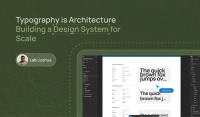
Typography is Architecture: Building a Design System for Scale
Typography is architecture, not just styling. By defining a strict hierarchy of tokens for size and weight, you build a functional blueprint that keeps your design scalable and consistent, ensuring text remains legible and predictable across any interface.
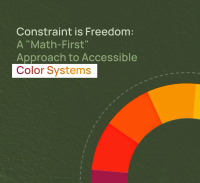
Constraint is Freedom: A “Math-First” Approach to Accessible Color Systems
When it comes to building a design system, picking colors by eye often leads to inconsistency and accessibility headaches. Instead of choosing shades manually, you can use math-based rules to generate your palette. By relying on formulas—like those found in modern color space algorithms—you ensure that every shade has the right contrast and brightness automatically. It turns accessibility from a tedious manual check into a built-in feature of your workflow, making your design system much easier to scale and maintain.
Better Humans Make Better Designers
Technical skills are just the entry point in design; true impact comes from developing your human side. By prioritizing empathy, curiosity, and emotional resilience, you shift from being a technician to a thoughtful problem-solver. Growing as a person is ultimately the most effective way to grow as a designer.
No articles in this category yet.
Tiny Thoughts
From my NotebookJun 18, 2026 | 2:31 AM
Less "perfect," more "useful."
Jun 18, 2026 | 1:32 AM
Half of "user empathy" advice is just paying attention.
Jun 18, 2026 | 1:27 AM
Empathy is the only feature that never goes out of style.
Jun 18, 2026 | 1:21 AM
Systems are just stories told through constraints.